

When most people think of traveling in Europe, they often picture the grand capitals – Paris, Rome, London, and Madrid. But beyond the bustle of many iconic cities lies a different kind of magic: charming small towns that offer rich culture, breathtaking scenery, and a slower, more authentic pace of life. Understand why lesser-known European gems are perfect for the traveler seeking a more intimate and memorable experience.
1. Hallstatt, Austria
Set against the dramatic backdrop of the Austrian Alps and nestled along a serene lake, Hallstatt looks like something straight out of a fairytale. This postcard-perfect town is known for its pastel-colored houses, charming lakeside views, and centuries-old salt mine. Take a boat ride on Lake Hallstatt or explore the historic market square and bone house (Beinhaus) for a fascinating glimpse into the region’s past.
Why visit: Stunning mountain scenery, a peaceful vibe, and unique heritage.
2. Colmar, France
Located in the Alsace region of northeastern France, Colmar is a colorful blend of French and German architecture. With cobblestone streets, flower-filled canals, and medieval half-timbered buildings, it feels like a living storybook. Colmar is also known for its exceptional wines, museums, and festive Christmas market.
Why visit: Wine tasting, fairytale architecture, and romantic canals.
3. Ronda, Spain
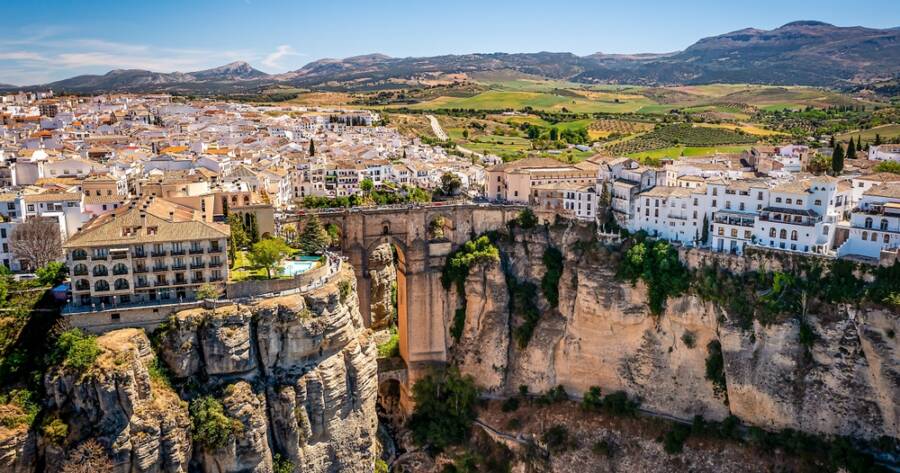
Perched atop a deep gorge in southern Spain, Ronda offers one of the most dramatic townscapes in Europe. The town is split in two by the El Tajo Gorge, connected by the striking Puente Nuevo bridge. Rich in history and Moorish influence, Ronda is home to one of Spain’s oldest bullrings and beautiful cliffside views.
Why visit: Breathtaking landscapes, historic charm, and Andalusian culture.
4. Giethoorn, Netherlands
Nicknamed the “Venice of the North,” Giethoorn is a car-free village where canals replace roads. Visitors can explore by boat, bike, or on foot, soaking in the thatched-roof houses and peaceful waterways. It’s an ideal destination for a quiet retreat surrounded by nature.
Why visit: Unique canal-based village, tranquility, and scenic beauty.
5. Cesky Krumlov, Czech Republic
Tucked in the South Bohemian region, Cesky Krumlov is a UNESCO World Heritage site with a stunning medieval core. The town is dominated by a 13th-century castle and surrounded by a bend in the Vltava River. Wander the narrow alleys, browse artisan shops, and enjoy river rafting in the summer.
Why visit: Rich history, castle views, and cultural experiences.
6. Dinan, France
Located in Brittany, Dinan is a well-preserved medieval town with impressive ramparts, half-timbered houses, and a picturesque port. The cobbled streets and old-world charm make it a photographer’s dream. Enjoy local crepes, cider, and peaceful riverside walks.
Why visit: Medieval architecture, authentic Breton culture, and culinary delights.
7. Piran, Slovenia
On Slovenia’s short stretch of Adriatic coast, Piran offers Venetian-style architecture, narrow alleyways, and breathtaking sea views. The town’s main square, Tartini Square, is a hub of activity, while nearby beaches and seafood restaurants make it an underrated coastal escape.
Why visit: Coastal charm, Mediterranean atmosphere, and fewer tourists.
8. Alberobello, Italy
Located in Italy’s Puglia region, Alberobello is famous for its distinctive trulli houses—whitewashed stone dwellings topped with conical roofs. Walking through the town feels like stepping into a living architectural museum, as many of the trulli are still used as homes, shops, and cafés. The surrounding countryside is dotted with olive groves, and the relaxed southern Italian atmosphere makes it an easy place to slow down and explore on foot.
Why visit: Unique architecture, relaxed Italian charm, and a strong sense of local tradition.
9. Gjirokastër, Albania
Set on the slopes of southern Albania, Gjirokastër is a striking stone town known for its Ottoman-era architecture and dramatic mountain setting. The historic old town is a UNESCO World Heritage site, featuring slate-roofed houses, narrow streets, and a hilltop fortress overlooking the Drino Valley. Despite its growing popularity, Gjirokastër remains refreshingly affordable and offers a deep look into Balkan history and culture.
Why visit: Preserved Ottoman architecture, cultural depth, and an authentic local experience.
10. Reine, Norway
Situated in Norway’s Lofoten Islands, Reine is a small fishing village surrounded by jagged peaks and icy blue fjords. Traditional red rorbuer (fishermen’s cabins) line the shoreline, creating one of the most photographed landscapes in Scandinavia. Outdoor enthusiasts will find world-class hiking, kayaking, and opportunities to see the northern lights or midnight sun, depending on the season.
Why visit: Dramatic natural scenery, outdoor adventure, and remote Nordic beauty.
Europe Beyond the Cities
Europe’s small towns are where culture, history, and natural beauty come together in the most intimate and enchanting ways. Whether you’re sipping wine in Colmar, boating through Giethoorn, or gazing at cliffs in Ronda, these destinations offer a slower, more personal travel experience. So skip the crowds, take the scenic route, and discover the heart of Europe – one charming town at a time.