

Walking-heavy trips are different from normal days. You might do miles on sidewalks, stand in lines, climb stairs, and squeeze into buses or trains. The best travel shoes make all of that feel easier. It’s crucial to understand some of the best travel shoes available, as well as simple ways to choose the right pair for your feet and your route. The goal is not fashion or hype. It is comfort you can count on, day after day.
Start With the Route You’ll Actually Walk
Before you pick a shoe, match it to the ground you will cover. City travel usually means hard surfaces like pavement and concrete, which can punish your feet if the midsole is too thin or stiff. Trail-heavy travel calls for grip and foot protection, especially on loose dirt, rock, or wet ground. Mixed trips need a “middle” shoe that feels smooth on sidewalks but still handles parks, gravel paths, and uneven streets. Getting this match right matters more than tiny differences between brands.
If your trip is mostly cities, think “road running” or “walking” shoes with strong cushioning and an easy rolling feel. If your trip includes real hikes, pick a hiking shoe or hiking sneaker with a grippy outsole and a stable base. If you are doing both, you can either bring one versatile pair or bring two pairs and rotate them, which helps reduce foot fatigue.
Best Cushioned Choices for Long City Days
For city trips with lots of steps, cushioned road shoes are often the safest choice. The HOKA Clifton line is popular for a reason: it is designed for everyday running and walking with a plush feel, and it comes in multiple widths, which can help if you need more room in the forefoot. A shoe like this can be a great “all-day sightseeing” option because it helps soften the impact of hard ground while staying light enough for long hours.
If you want a more classic, balanced feel, the Brooks Ghost line is another strong pick. Brooks describes the Ghost 17 as a road running shoe built around soft cushioning, balanced support, and a comfortable fit. For many travelers, that “balanced” setup works well because it does not feel overly squishy, and it can stay comfortable from morning coffee runs to late-night walks back to the hotel.
When You Need Extra Support and Stability
Some travelers do best with a shoe that feels more planted, especially if they tend to overpronate (ankles rolling inward) or feel tired in the arches by mid-day. In that case, look at stability-focused models and “stable neutral” shoes with a wider base. Two common examples are the Brooks Adrenaline GTS (a stability road shoe) and the HOKA Arahi (a lighter stability option). These lines are often chosen by walkers who want guidance and a steady platform without moving into a heavy hiking boot.
A simple test: stand in the shoes and do a slow single-leg squat in front of a mirror. If your knee dives inward a lot, you may like the feel of a stability shoe. If you have foot pain, past injuries, or you use custom insoles, it can also help to try shoes at a running store where staff can watch your gait. The “best” shoe is the one that keeps you comfortable after hours, not the one that looks best online.
Best Options for Trails, Parks, and Rough Streets
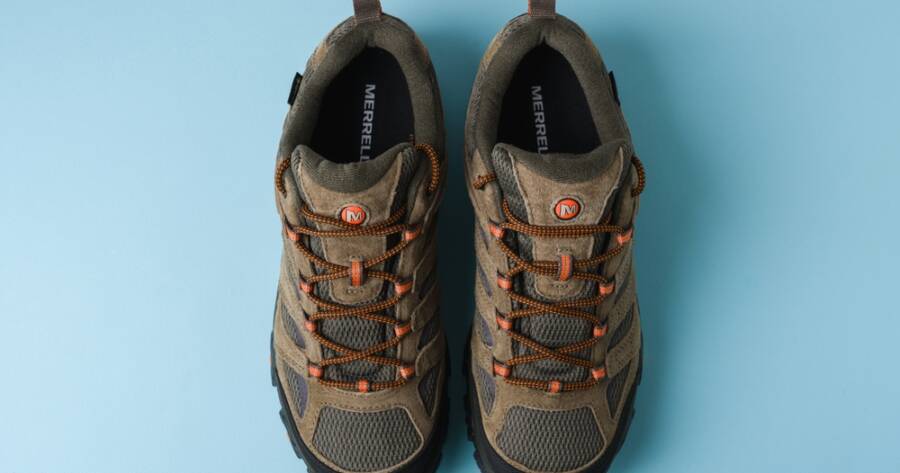
If your trip includes hikes or long walks on uneven ground, trail and hiking shoes can be the better tool. The Merrell Moab line is a long-running hiking staple, and Merrell positions the Moab 3 as a hiking shoe built for the outdoors and trusted by hikers over many years. A shoe like this can feel more protective than a road runner, with an outsole made to bite into dirt and gravel.
For a lighter, faster hiking style, Salomon’s X Ultra line is another solid choice. Salomon describes the X Ultra 4 as agile like a trail-running shoe, but with stability and grip for technical terrain, and it includes a chassis designed for protection without killing freedom of movement. This type of shoe can be a good fit for travelers who want a sporty feel but still need traction on descents and uneven paths.
Fit Rules That Prevent Blisters and “Dead Feet”
Even the best shoe model can fail if the fit is wrong. Aim for a thumb’s width of space in front of your longest toe, because feet swell during travel days. Make sure the heel feels locked in place, since heel slip is a fast road to blisters. If you are between sizes, many people do better going slightly larger and using lacing to secure the midfoot.
Socks matter more than most travelers expect. A thin merino wool sock or a good synthetic hiking sock helps manage sweat and reduces rubbing. If you know you blister easily, pack blister patches (like hydrocolloid bandages) and apply them early, not after the skin is torn. Finally, do not “save” new shoes for the trip. Put at least a few long walks on them at home so your feet can tell you the truth before you get on a plane.
Pick the Shoe That Matches Your Steps
The best travel shoes for walking-heavy itineraries are the ones that fit your foot, match your route, and stay comfortable for hours. Cushioned road shoes like the HOKA Clifton or Brooks Ghost can shine for city miles, while hiking-focused shoes like the Merrell Moab 3 or Salomon X Ultra 4 make more sense when the ground gets rough. Choose based on your trip, lock in the fit, and break them in before you go. Your feet will thank you every day you travel.